
For most of human history, walking was simply a practical necessity—a foundational mode of transportation used to cross fields, climb mountains, and navigate daily life. Over centuries, however, pedestrianism evolved far beyond simple commuting. Today, walking sports represent an elite realm of endurance athletics, combining intense cardiovascular output with hyper-precise biomechanical discipline.
Whether you are watching the breathtaking speed of world-class athletes gliding across the Olympic track or exploring the surging popularity of long-distance endurance trekking, competitive walking offers an incredible blend of accessibility and rigorous athletic challenge.
The Spectrum of Walking Sports
Walking sports encompass a fascinating variety of disciplines, ranging from highly technical track events to rugged outdoor endurance challenges.
1. Race Walking
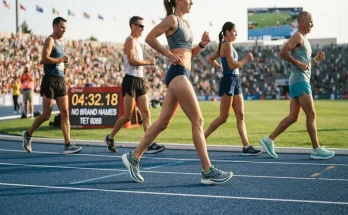
Race walking is the undisputed powerhouse of competitive walking disciplines, featuring prominently on the World Athletics and Olympic stages. Unlike running, where athletes experience a distinct airborne phase, race walking demands strict adherence to biomechanical rules that separate it from every other track event.
2. Long-Distance Endurance Walking
For athletes who prefer distance over short-track speed, sports like ultra-distance walking, multi-day trekking competitions, and speed-hiking challenges test physical and mental fortitude. Events span distances from half-marathons to hundreds of miles across rugged terrain, testing pacing, nutrition management, and structural resilience.
3. Competitive Power Walking
For everyday athletes looking to enter the racing circuit without mastering the hyper-strict technical rules of Olympic race walking, open-category power-walking events provide a fast-paced, highly accessible alternative. These races focus purely on maximizing forward speed through high cadence and strong arm drive.
Deep Dive: Race Walking Rules and Mechanics
What separates elite race walking from casual strolling is a strict rulebook designed to ensure athletes remain true to the definition of walking, rather than transitioning into a trot or a run. Judges closely monitor competitors using two non-negotiable rules.
Rule 1: The Straight Knee Definition
The first foundational rule dictates that the advancing leg must straighten—meaning it cannot bend at the knee—from the moment the foot first makes contact with the ground until it reaches the vertical upright position.
Rule 2: Continuous Contact
The second rule requires that at least a portion of the front foot must remain in continuous contact with the ground at all times. There can be no visible “flight phase” or suspension in the air. To the human eye, the walker’s feet must never leave the ground simultaneously.
Judging and Penalties: The Red Card System
Because maintaining these strict mechanics becomes increasingly difficult as speed increases, race walking utilizes a specialized judging panel stationed around the course.
- The Warning: If a judge spots a potential infraction (such as a visible loss of contact or a bent knee), they issue a yellow paddle with a symbol indicating the specific fault.
- The Red Card: If a judge determines a clear, undeniable violation has occurred, they issue a red card to the chief judge.
- Disqualification: If an athlete accumulates three red cards from three different judges, they are disqualified from the race. In major international competitions, elite walkers also navigate a “penalty pit lane,” where they must serve a mandatory time penalty for technical infractions before rejoining the race.
How to Get Started and Train for Walking Sports
Transitioning from casual walks to competitive walking sports requires developing specialized form, posture, and conditioning.
- Mastering Posture and Arm Drive: Keep your torso upright, engage your core, and let your arms bend sharply at a 90-degree angle. Pumping your arms vigorously helps drive your lower body forward and increases your overall cadence.
- Unlocking Hip Rotation: Elite walkers utilize a natural, fluid rotation of the pelvis. This pelvic rotation extends your stride length safely without requiring you to overstride with your lower legs.
- Building Your Aerobic Base: Start with short, continuous distance sessions, gradually increasing your weekly mileage by no more than 10% to protect your shins, calves, and feet from overuse injuries.
Walking sports bridge the gap between accessible everyday fitness and high-level athletic mastery. By combining extraordinary endurance capacity with meticulous technical discipline, competitive walking proves that moving forward on your own two feet is one of the most sophisticated athletic feats in the world.