


Adapting the Game: Adaptive Sports Equipment for Seniors with Limited Upper Body Mobility

Adapting the Game: Adaptive Sports Equipment for Seniors with Limited Upper Body Mobility

Maintaining physical activity is essential for healthy aging, yet seniors with limited mobility in the upper body—due to conditions like arthritis, stroke, or Parkinson’s disease—often find traditional sports and exercise challenging. The solution lies in adaptive sports equipment, which revolutionizes physical engagement by minimizing strain, maximizing stability, and re-engineering how activities are performed. This specialized gear ensures that limitations become minor adjustments, not roadblocks to an active lifestyle.

Redefining Grip and Control 🖐️

The inability to firmly grip or manipulate equipment is a major barrier. Adaptive solutions focus on simplifying the hand-object interface.

  • Universal Cuff and Gripping Aids: For seniors with very limited hand function or grip strength, universal cuffs and specialized gripping aids (such as those made of neoprene or leather) can secure a person’s hand to equipment like golf clubs, dumbbells, or resistance bands. This allows the forearm and shoulder muscles to power the activity, bypassing
Adapting the Game: Adaptive Sports Equipment for Seniors with Limited Upper Body Mobility Continue Reading
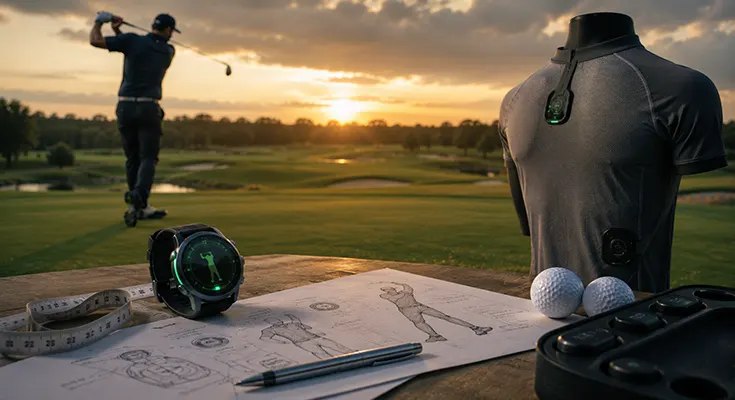
The Price of Precision: The Cost of Launching a Personalized Golf Swing Wearable

The Price of Precision: The Cost of Launching a Personalized Golf Swing Wearable

Launching a specialized product like a personalized wearable technology for golf swing analysis is an expensive and complex endeavor, blending hardware engineering with sophisticated Artificial Intelligence (AI) software. The financial investment required goes far beyond a typical mobile app, involving simultaneous development in two high-cost domains. Entrepreneurs must anticipate a minimum total startup cost that easily ventures into the low to mid-six-figure range for a functional Minimum Viable Product (MVP).

1. Hardware Development and Prototyping (The Wearable)

The need for a physical device is the primary cost driver. The sensor technology must be precise enough to measure minute movements in a high-velocity golf swing.

  • Research & Development (R&D) and Sensor Integration: This involves selecting and integrating high-quality Inertial Measurement Units (IMUs), gyroscopes, and accelerometers into a compact, durable, and comfortable form factor (e.g., a glove insert, a small strap, or a club attachment). Designing the final housing and ensuring battery
The Price of Precision: The Cost of Launching a Personalized Golf Swing Wearable Continue Reading