Recreational Sports That Improve Balance and Mobility in Elderly Adults

Recreational Sports That Improve Balance and Mobility in Elderly Adults

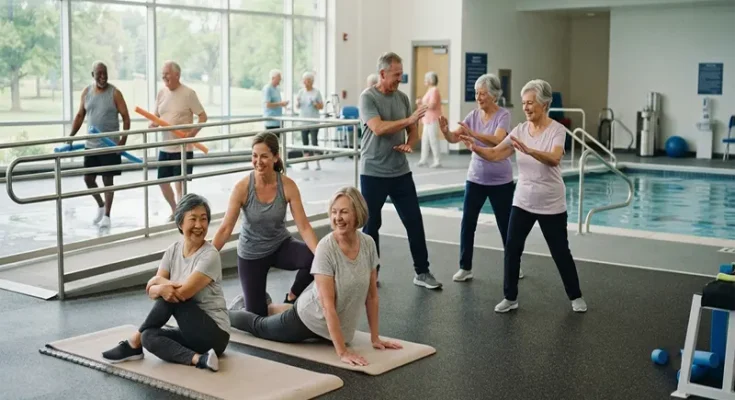
As we age, maintaining physical independence is deeply tied to two everyday superpowers: balance and mobility. Being able to step out of a car, navigate uneven pavement, or reach for an item on a high shelf with total confidence relies on a complex network of muscles, joints, and neural pathways.

Unfortunately, fear of falling often leads to a sedentary cycle that weakens the very stabilizing muscles needed to stay upright. Traditional balance exercises can sometimes feel like a clinical chore. However, there is a much more joyful, highly effective alternative: recreational sports. Engaging in active play challenges your body in dynamic ways, transforming fall prevention sports for seniors from a medical prescription into an exciting weekly hobby.

The Science of Balance and Proprioception in Aging

To understand why sports are so effective for stability, you must look at how the body stays upright. Balance is not maintained by muscle strength …

Recreational Sports That Improve Balance and Mobility in Elderly Adults Continue Reading
Best Low-Impact Sports for Seniors to Stay Fit and Active

Best Low-Impact Sports for Seniors to Stay Fit and Active

For generations, cultural narratives around aging suggested a quiet retreat from physical exertion. Society often whispered that once you crossed a certain threshold, high-energy movement, sports, and athletic competition should be replaced by sedentary hobbies.

Fortunately, modern sports science and geriatric physical therapy have shattered that outdated myth. Staying active in later life is no longer about sitting on a stationary exercise bike facing a blank wall; it is about play, community, and joyful movement. For older adults looking to maintain peak vitality without wrecking their joints, low-impact sports for seniors offer the ultimate blueprint for active aging.

The Science of Low-Impact Training for Joint Preservation

As we age, the cartilage that cushions our joints naturally experiences cumulative wear and tear. High-impact sports—such as running on hard pavement or jumping sports that subject knees and hips to severe shock waves—can accelerate this breakdown, leading to inflammation, pain, and forced inactivity.…

Best Low-Impact Sports for Seniors to Stay Fit and Active Continue Reading
Fun Recreational Sports for Seniors to Improve Mental Health and Socialization

Fun Recreational Sports for Seniors to Improve Mental Health and Socialization

As we navigate the golden years of life, the definition of wellness expands far beyond physical fitness and numbers on a medical chart. True health in later life is deeply intertwined with mental clarity, emotional resilience, and a vibrant sense of community.

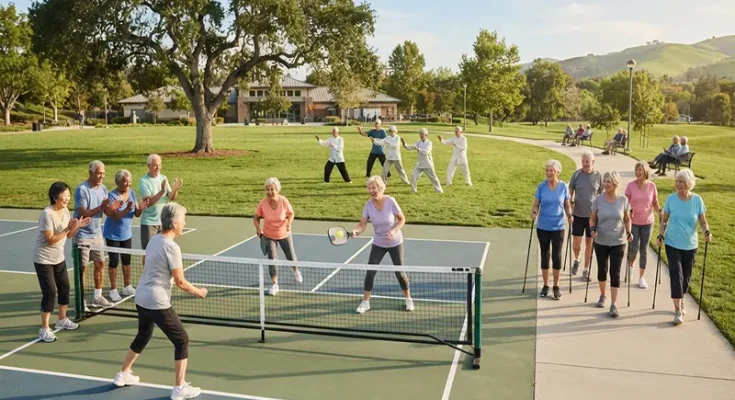
Unfortunately, social isolation and loneliness remain significant challenges for many older adults. One of the most joyful, effective antidotes to isolation is hiding in plain sight: play. Engaging in recreational sports provides a powerful trifecta for healthy aging—simultaneously boosting physical mobility, sharpening cognitive function, and fostering deep, meaningful social connections.

The Mind-Body-Social Connection in Aging

Clinical research consistently highlights that staying socially active and physically engaged as we age dramatically reduces the risk of cognitive decline, depression, and anxiety.

The Power of Play and Laughter

When older adults participate in senior sports for mental health, the benefits extend well beyond endorphins. Group play encourages laughter, friendly banter, …

Fun Recreational Sports for Seniors to Improve Mental Health and Socialization Continue Reading
Safe Sports for Older Adults with Arthritis or Joint Pain

Safe Sports for Older Adults with Arthritis or Joint Pain

For generations, the conventional advice given to individuals experiencing arthritis or chronic joint discomfort was simple: rest, avoid activity, and protect the affected joints. Today, medical science and physical therapy have completely rewritten that script. We now know that complete inactivity is one of the worst things you can do for stiff joints.

The mantra among movement specialists is simple: “motion is lotion.” Controlled physical activity stimulates the production of synovial fluid, which naturally lubricates and nourishes your joints. Of course, safety and joint protection are paramount.

The Physiology of Joint-Friendly Exercise

Understanding how your joints respond to movement helps demystify why staying active is so transformative. Cartilage does not have its own direct blood supply; instead, it relies on movement to absorb nutrients and eliminate waste products, much like a sponge soaking up and releasing water.

Lubrication and Muscle Support

When you engage in gentle, low-impact exercise, your body …

Safe Sports for Older Adults with Arthritis or Joint Pain Continue Reading
Adapting the Game: Adaptive Sports Equipment for Seniors with Limited Upper Body Mobility

Adapting the Game: Adaptive Sports Equipment for Seniors with Limited Upper Body Mobility

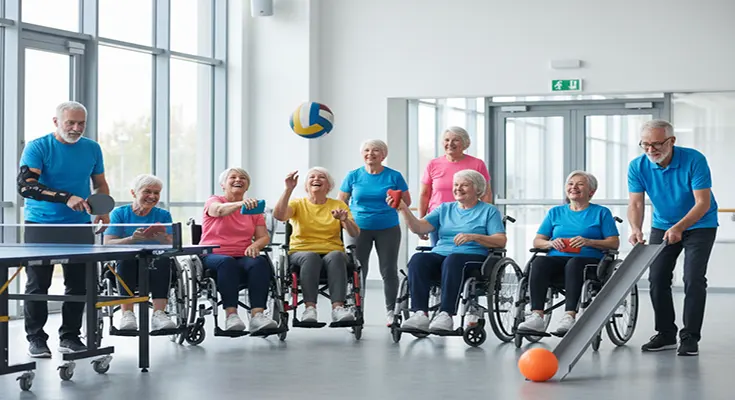
Maintaining physical activity is essential for healthy aging, yet seniors with limited mobility in the upper body—due to conditions like arthritis, stroke, or Parkinson’s disease—often find traditional sports and exercise challenging. The solution lies in adaptive sports equipment, which revolutionizes physical engagement by minimizing strain, maximizing stability, and re-engineering how activities are performed. This specialized gear ensures that limitations become minor adjustments, not roadblocks to an active lifestyle.

Redefining Grip and Control 🖐️

The inability to firmly grip or manipulate equipment is a major barrier. Adaptive solutions focus on simplifying the hand-object interface.

  • Universal Cuff and Gripping Aids: For seniors with very limited hand function or grip strength, universal cuffs and specialized gripping aids (such as those made of neoprene or leather) can secure a person’s hand to equipment like golf clubs, dumbbells, or resistance bands. This allows the forearm and shoulder muscles to power the activity, bypassing
Adapting the Game: Adaptive Sports Equipment for Seniors with Limited Upper Body Mobility Continue Reading