
The Price of Precision: The Cost of Launching a Personalized Golf Swing Wearable

The Price of Precision: The Cost of Launching a Personalized Golf Swing Wearable

Launching a specialized product like a personalized wearable technology for golf swing analysis is an expensive and complex endeavor, blending hardware engineering with sophisticated Artificial Intelligence (AI) software. The financial investment required goes far beyond a typical mobile app, involving simultaneous development in two high-cost domains. Entrepreneurs must anticipate a minimum total startup cost that easily ventures into the low to mid-six-figure range for a functional Minimum Viable Product (MVP).

1. Hardware Development and Prototyping (The Wearable)

The need for a physical device is the primary cost driver. The sensor technology must be precise enough to measure minute movements in a high-velocity golf swing.

  • Research & Development (R&D) and Sensor Integration: This involves selecting and integrating high-quality Inertial Measurement Units (IMUs), gyroscopes, and accelerometers into a compact, durable, and comfortable form factor (e.g., a glove insert, a small strap, or a club attachment). Designing the final housing and ensuring battery
The Price of Precision: The Cost of Launching a Personalized Golf Swing Wearable Continue Reading
From Swag to Story: Unique Merchandise Ideas for Small College Football Fan Engagement

From Swag to Story: Unique Merchandise Ideas for Small College Football Fan Engagement

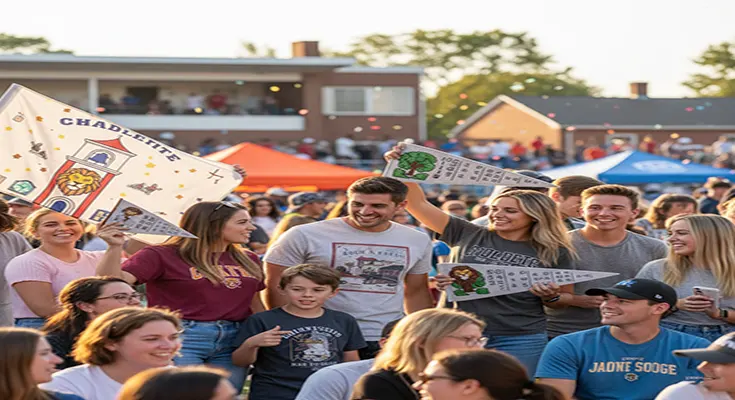
For small college football programs, fan engagement isn’t about selling millions of jerseys; it’s about forging a deep, personal connection with a tight-knit alumni base, local community, and student body. Unique merchandise ideas for small college football fan engagement must prioritize affordability, local relevance, and storytelling over sheer volume, turning simple items into cherished keepsakes.

1. Hyper-Local & Historic Nods 🗺️

Merchandise that roots the team in the institution’s history and locale creates instant emotional value far exceeding its production cost.

  • Retro Logo Apparel: Instead of the current, often sleek logo, dive into the archives. Re-release a limited-edition line of t-shirts or hats featuring a quirky mascot design or a historical team crest from the 1950s or 60s. This targets nostalgic alumni and gives current students a unique, “vintage” look.
  • Stadium Blueprint Art/Mugs: Commission a simple, stylized line drawing of the campus football stadium or the iconic campus clock tower

From Swag to Story: Unique Merchandise Ideas for Small College Football Fan Engagement Continue Reading
Level Up Your Reach: Marketing Strategies for a Niche Esports Coaching and Talent Agency

Level Up Your Reach: Marketing Strategies for a Niche Esports Coaching and Talent Agency

Launching an esports coaching and talent agency requires more than just industry knowledge; it demands specialized marketing to reach a highly engaged, yet often skeptical, digital native audience. For a niche agency—perhaps one focused exclusively on a single game like Valorant or League of Legends, or specializing in a specific demographic like college athletes—authenticity and focused platform presence are paramount.

1. Targeted Content Marketing: Establish Authority 🎯

The core of your marketing must be value-driven content that proves your expertise in your specific niche.

  • Platform Focus: Your audience lives on platforms like Twitch, YouTube, and Discord. Content should be native to these channels.
    • YouTube: Create high-value, data-driven VOD (Video On Demand) reviews and in-depth game analysis specific to your niche game. Use professional commentary to showcase the quality of your coaching.
    • Twitch: Host live coaching sessions or Q&A streams where your coaches or managed talent offer immediate, actionable
Level Up Your Reach: Marketing Strategies for a Niche Esports Coaching and Talent Agency Continue Reading
Funding Your Specialized Sports Injury Rehabilitation Clinic

Funding Your Specialized Sports Injury Rehabilitation Clinic

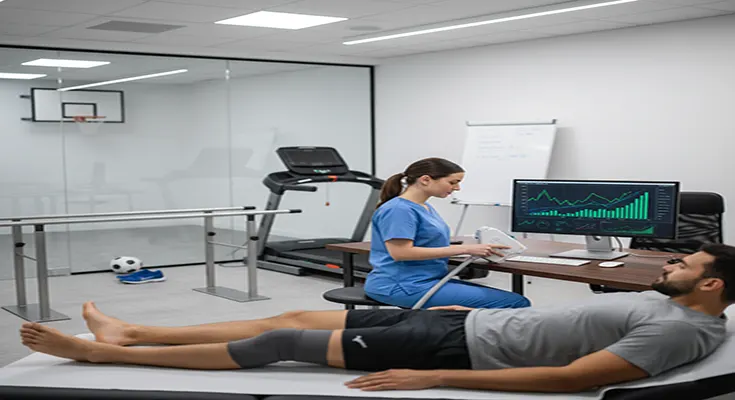
Launching a specialized sports injury rehabilitation clinic requires substantial capital for state-of-the-art equipment (like isokinetic dynamometers, advanced modalities, and hydrotherapy pools), facility build-out, and staffing. Given the high barriers to entry in specialized healthcare, securing the right mix of funding is critical for success.

1. Traditional Business Financing Solutions

The healthcare sector is often viewed favorably by lenders due to its essential nature and reliable revenue streams (insurance reimbursements).

  • Small Business Administration (SBA) Loans: These are government-backed loans that offer lower interest rates, longer repayment terms, and greater flexibility than conventional bank loans, making them ideal for startups.
    • SBA 7(a) Loan: The most popular type, suitable for a wide range of uses, including working capital, equipment purchase, and debt refinancing (up to $5 million).
    • SBA 504 Loan: Geared toward major fixed asset purchases, such as real estate acquisition or major facility improvement, with terms up to 25 years.
    • SBA
Funding Your Specialized Sports Injury Rehabilitation Clinic Continue Reading
From Idea to Kickoff: Launching Your Youth Soccer League Management Software Company

From Idea to Kickoff: Launching Your Youth Soccer League Management Software Company

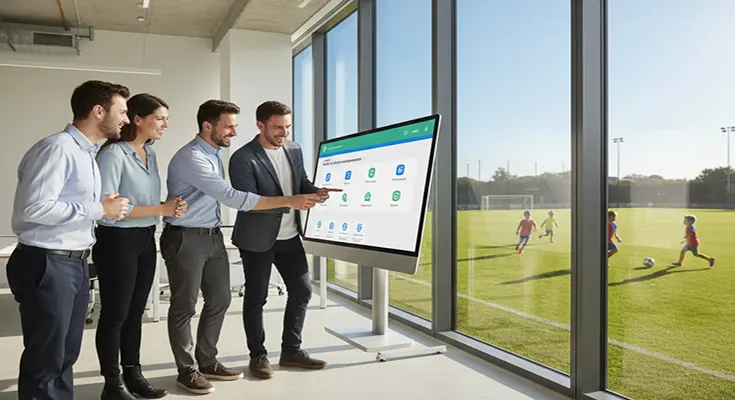
The youth sports market, particularly soccer, is booming, and with it, the demand for streamlined administrative solutions. Leagues, clubs, and volunteer organizers are moving away from manual spreadsheets and towards all-in-one software platforms. This digital transformation presents a lucrative opportunity to launch a Youth Soccer League Management Software Company. Success lies in understanding the market, developing a superior product, and executing a robust business strategy.

1. Market Analysis: Find Your Niche 🗺️

The sports management software market is competitive, but it’s also growing rapidly—projected to exceed $17 billion by 2032. Before coding, you must pinpoint a gap.

  • Target Audience: Your primary customers are not the kids, but the league administrators, club directors, and parents.
  • Competitor Review: Analyze existing players like SportsEngine, TeamSnap, and LeagueApps. What are their pain points? Are they overly complex, too expensive for smaller leagues, or lacking specific soccer-centric features (like field-size management for different
From Idea to Kickoff: Launching Your Youth Soccer League Management Software Company Continue Reading