

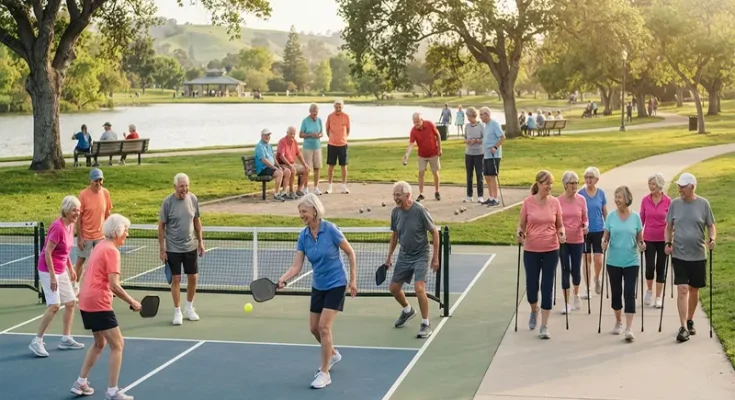
Best Low-Impact Sports for Seniors to Stay Fit and Active

Best Low-Impact Sports for Seniors to Stay Fit and Active

For generations, cultural narratives around aging suggested a quiet retreat from physical exertion. Society often whispered that once you crossed a certain threshold, high-energy movement, sports, and athletic competition should be replaced by sedentary hobbies.

Fortunately, modern sports science and geriatric physical therapy have shattered that outdated myth. Staying active in later life is no longer about sitting on a stationary exercise bike facing a blank wall; it is about play, community, and joyful movement. For older adults looking to maintain peak vitality without wrecking their joints, low-impact sports for seniors offer the ultimate blueprint for active aging.

The Science of Low-Impact Training for Joint Preservation

As we age, the cartilage that cushions our joints naturally experiences cumulative wear and tear. High-impact sports—such as running on hard pavement or jumping sports that subject knees and hips to severe shock waves—can accelerate this breakdown, leading to inflammation, pain, and forced inactivity.…

Best Low-Impact Sports for Seniors to Stay Fit and Active Continue Reading
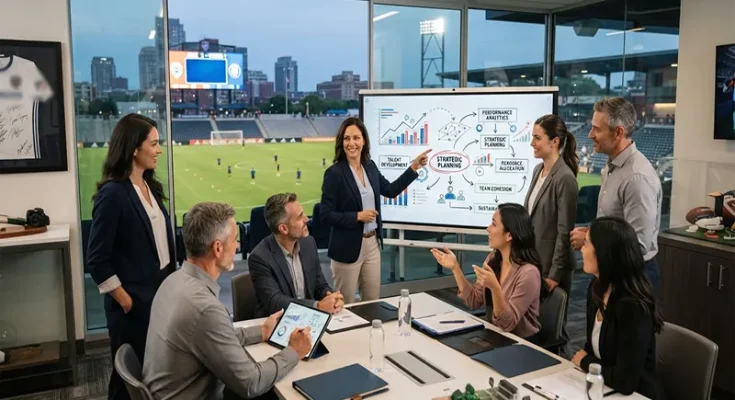
Key Athletic and Sports Management Principles for Business Leadership

Key Athletic and Sports Management Principles for Business Leadership

When sports fans watch a championship franchise hoist a trophy, they often attribute the victory to raw individual talent or sheer luck. Yet, behind every dynasty—whether on the gridiron, the pitch, or the hardwood—lies a rigorous, calculated framework of elite management. Exceptional general managers and head coaches do not rely on hope; they engineer success through precise roster architecture, relentless data analysis, and an unshakeable team culture.

For modern executives and founders, viewing corporate leadership through the lens of athletic management offers a transformative paradigm shift. By applying sports management principles for business, leaders can step away from outdated hierarchical command structures and build agile, high-performing organizations capable of dominating their markets.

Principle 1: Roster Architecture and Complementary Skillsets

In professional sports, collecting the five most talented individual players in the league is no guarantee of a championship. If every player wants to take the final shot, the team …

Key Athletic and Sports Management Principles for Business Leadership Continue Reading