

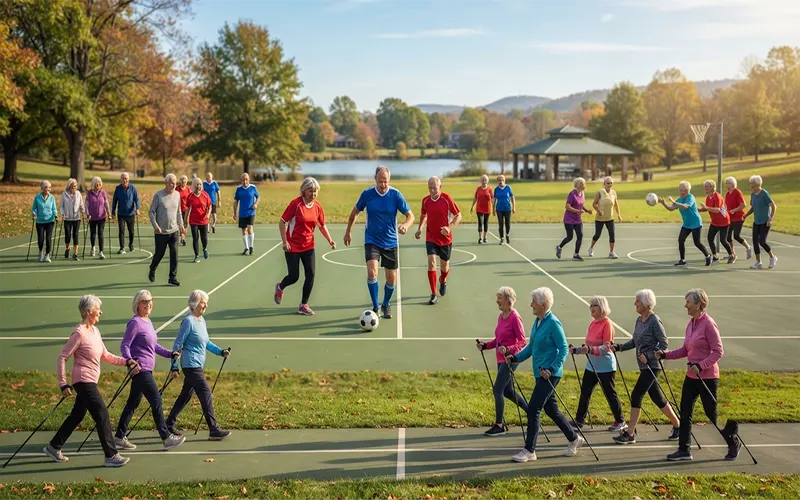
In recent years, public health experts have raised alarms over two colliding crises: the modern “loneliness epidemic” and the persistent physical toll of sedentary lifestyles. We spend hours sitting at desks, scrolling through screens, and treating exercise as a solitary chore to be checked off a daily to-do list. When we do move, we often feel isolated, leading to high burnout rates and stagnant health metrics.
Fortunately, a powerful antidote is gaining traction in communities worldwide. By merging accessible physical activity with the joy of teamwork, community walking sports leagues are transforming how everyday adults approach fitness. Joining a walking league is not just a great way to stay active; it is a holistic, “double-action” health intervention that protects your heart while nourishing your mental well-being through human connection.
The Cardiovascular Science of Sustained Walking
When people think of cardiovascular fitness, they often picture intense, gasping-for-air sprints or grueling high-intensity interval training. However, exercise physiologists know that steady-state aerobic conditioning—often called Zone 2 training—is the true gold standard for long-term cardiovascular health.
Pacing Your Way to a Stronger Heart
Walking sports leagues, whether focused on race walking, endurance trekking, or competitive power-walking, naturally keep participants in this optimal aerobic zone. Maintaining a brisk, continuous cadence for 45 to 60 minutes trains your heart muscle to pump blood more efficiently with every beat.
- Blood Pressure Regulation: Regular, rhythmic aerobic walking helps dilate blood vessels, naturally lowering resting blood pressure and reducing arterial stiffness.
- Lipid Profile Enhancement: Sustained walking increases High-Density Lipoprotein (HDL) cholesterol—the “good” cholesterol—while helping to clear out Low-Density Lipoprotein (LDL) triglycerides, significantly lowering your long-term risk of cardiovascular disease.
Beyond the Heart: The Whole-Body Impact
While the cardiovascular health and walking connection is undeniable, the physiological benefits of joining a walking league ripple through every major system in your body.
1. Metabolic Health and Glucose Control
Post-meal blood sugar spikes are a primary driver of metabolic fatigue and insulin resistance. Scheduled walking league sessions—especially those held in the evenings or early mornings—help your working muscles pull glucose directly out of the bloodstream without requiring large amounts of insulin. This steady metabolic stabilization is a powerful tool for weight management and diabetes prevention.
2. Joint Resilience and Cartilage Health
Unlike high-impact sports that subject knees and ankles to jarring shock waves, walking sports deliver the compression and decompression cycles your joints love. This low-impact movement pumps nutrient-rich synovial fluid through your cartilage, keeping your hips, knees, and spine lubricated and strong without accelerating wear and tear.
3. Cognitive Vitality and Brain Health
Exercise is fantastic for the brain, but social exercise is a neuroprotective powerhouse. Navigating a walking course while conversing with teammates, tracking your pacing, and coordinating your movements stimulates neuroplasticity. This dual-action mental and physical stimulation helps preserve memory, sharpens cognitive focus, and keeps your mind agile as you age.
The Social Advantage: The Power of Accountability
One of the greatest barriers to personal fitness is the lack of motivation. When you rely solely on willpower to lace up your shoes after a exhausting workday, the couch almost always wins. This is where the magic of social fitness benefits takes over.
The Social Commitment Effect
When you join a walking sports league, you are no longer just exercising for yourself; you are showing up for your teammates. Knowing that your friends are waiting for you at the starting line triggers a powerful psychological accountability effect.
- Fitness as a Hobby: Instead of feeling like a clinical prescription, exercise transforms into a social highlight of your week.
- Combating Isolation: Walking side-by-side with peers encourages organic conversation, deepens friendships, and dramatically lowers stress hormones, providing mental health benefits that no treadmill at a commercial gym can match.
Your heart, your mind, and your community all thrive when you step out of isolation and into shared movement. The benefits of walking leagues extend far beyond step counts and resting heart rates—they offer a sustainable, joyous pathway to lifelong vitality. If you are looking for a way to protect your cardiovascular health, forge lasting friendships, and transform fitness into your favorite weekly ritual, it is time to find a local walking league and take your first step forward.