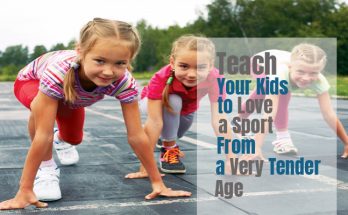

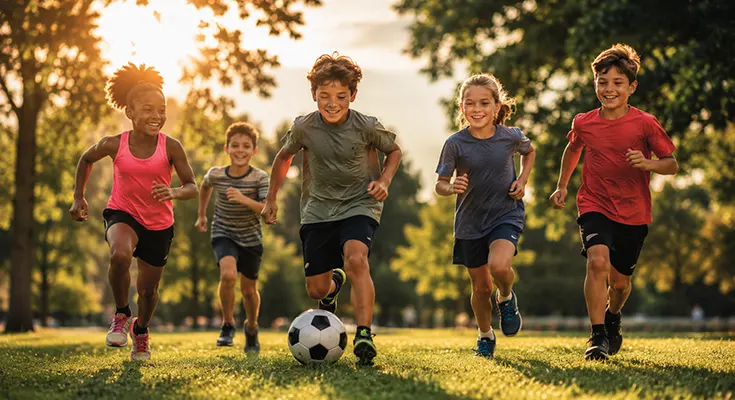
 Physical activity plays a vital role in a child’s overall growth and development. In today’s digital age, where children spend increasing amounts of time in front of screens, encouraging regular exercise and sports participation has become more important than ever. Whether it is soccer, basketball, swimming, volleyball, badminton, tennis, or simply playing outdoors with friends, physical activity provides numerous benefits that extend far beyond physical fitness.
Children naturally love to move, explore, and play. Studies have consistently shown that the primary reason children participate in sports is because they find them enjoyable. While parents and coaches may focus on competition and winning, children are often motivated by fun, friendship, and the excitement of being active. Understanding these motivations can help adults create positive sports experiences that encourage lifelong participation in physical activity.
Physical Health Benefits
One of the most obvious advantages of regular physical activity is improved physical health. Children who participate in sports and active play develop stronger muscles, healthier bones, and better cardiovascular fitness. Running, jumping, cycling, swimming, and other forms of exercise help improve endurance, flexibility, coordination, and balance.
Regular physical activity also helps children maintain a healthy weight. Childhood obesity has become a growing concern worldwide, and active lifestyles can significantly reduce the risk of weight-related health issues. Exercise helps burn calories while promoting healthy growth and development.
Additionally, active children often develop stronger immune systems. Regular movement improves blood circulation and supports overall bodily functions, making it easier for the body to fight off illnesses. Healthy habits formed during childhood can also reduce the risk of developing chronic conditions such as diabetes, heart disease, and high blood pressure later in life.
Mental and Emotional Well-Being
Physical activity is not only beneficial for the body but also for the mind. Exercise has been shown to improve mood, reduce stress, and increase feelings of happiness. When children engage in physical activities, their bodies release endorphins, often referred to as “feel-good” chemicals, which help boost emotional well-being.
Sports and recreational activities can also help children manage anxiety and frustration. Many children face academic pressures, social challenges, and other stressors. Participating in physical activities provides a healthy outlet for releasing tension and improving emotional balance.
Furthermore, children who are physically active often experience increased self-confidence and self-esteem. Learning new skills, improving performance, and achieving personal goals give children a sense of accomplishment. Even small successes can help build confidence that carries over into other areas of life, including school and social interactions.
Developing Social Skills
One of the greatest benefits of youth sports is the opportunity to build meaningful relationships. Sports bring children together and encourage teamwork, communication, and cooperation. Through participation in team activities, children learn how to work with others toward a common goal.
Whether they are celebrating a victory or learning from a defeat, children develop valuable interpersonal skills. They learn how to support teammates, resolve conflicts, and show respect for coaches, opponents, and officials. These experiences teach important lessons about empathy, patience, and responsibility.
Friendships formed through sports often last for many years. Shared experiences on the field, court, or playground create strong bonds that can continue throughout adulthood. For many people, the relationships developed through sports become some of the most cherished memories of their youth.
Learning Valuable Life Lessons
Sports provide an excellent environment for teaching important life skills. Children quickly learn that success often requires effort, practice, and perseverance. Improvement does not happen overnight, and regular participation helps children understand the value of hard work.
Sports also teach resilience. Not every game ends in victory, and not every performance meets expectations. Learning how to handle setbacks, disappointments, and challenges helps children develop mental toughness and adaptability.
Time management is another valuable skill gained through sports participation. Balancing schoolwork, practices, games, and personal responsibilities teaches children how to organize their schedules effectively. These skills can benefit them throughout their academic and professional lives.
In addition, sports encourage discipline and accountability. Children learn the importance of showing up on time, following rules, and fulfilling commitments. These habits contribute to personal growth and future success.
The Importance of Fun
While competition can be exciting, it should never overshadow the importance of enjoyment. Research consistently shows that fun is the primary reason children choose to participate in sports. When activities become overly stressful or focused solely on winning, children are more likely to lose interest.
In fact, many young athletes stop participating in organized sports during their early teenage years because they no longer find the experience enjoyable. Excessive pressure from adults, unrealistic expectations, and a lack of positive experiences can contribute to burnout.
Parents and coaches should strive to create environments where children feel encouraged, supported, and free to enjoy the game. Positive reinforcement, skill development, and inclusive participation often lead to greater long-term engagement than a singular focus on competition.
Fun does not mean avoiding challenges. Children can still learn valuable lessons while enjoying themselves. The key is maintaining a balance between skill development, healthy competition, and enjoyment.
Building Lifelong Healthy Habits
Children who develop a positive relationship with physical activity are more likely to remain active as adults. Early exposure to enjoyable sports and recreational activities helps establish habits that can last a lifetime.
Active adults often experience better physical health, improved mental well-being, and a higher quality of life. By encouraging children to participate in activities they enjoy, parents and educators can help lay the foundation for long-term wellness.
The specific sport or activity is often less important than fostering a love for movement. Some children may enjoy team sports such as volleyball or netball, while others may prefer individual pursuits like swimming, cycling, or martial arts. Providing a variety of opportunities allows children to discover activities that match their interests and abilities.
Final Thought
Physical activity offers countless benefits for children, including improved health, stronger social connections, enhanced emotional well-being, and valuable life skills. While winning games and earning trophies can be rewarding, the true value of sports lies in the experiences, friendships, and personal growth they provide.
Children participate in sports primarily because they enjoy them. By focusing on fun, encouragement, and personal development, parents and coaches can help create positive experiences that inspire lifelong participation in physical activity.
Ultimately, the memories children treasure most are often not the scores or championships, but the friendships they formed, the lessons they learned, and the joy they experienced while playing the games they love.