

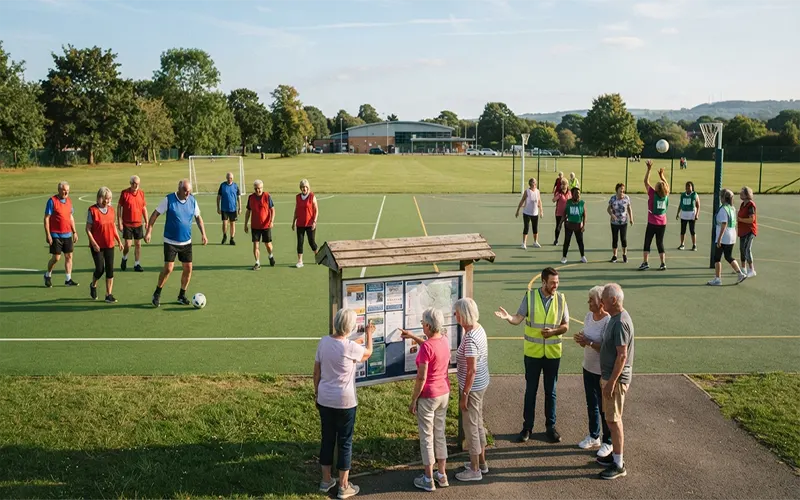
In recent years, a quiet revolution has taken place on sports fields and indoor courts across the globe. Traditional team sports, once thought to be reserved for the young and lightning-fast, have been reimagined through the lens of longevity and accessibility. Walking football and walking netball are officially the fastest-growing activities for older adults, offering the thrill of team strategy, the joy of competition, and the profound benefits of camaraderie—all without the high-impact stress of running.
If you have been searching for a way to stay in the game while protecting your joints, you have found it. Finding a local club is the first step toward revitalizing your physical health and finding an instant, welcoming community.
The Rise of Walking Team Sports
Walking football and netball retain the tactical beauty of their fast-paced counterparts but replace running with a brisk, constant walking cadence. These games are governed by modified rules—zero running, restricted contact, and smaller court sizes—that prioritize passing accuracy, tactical positioning, and teamwork over pure athletic speed.
These sports have captured the hearts of thousands because they bridge the gap between sedentary life and high-intensity fitness. They offer a safe, inclusive environment where men and women of all athletic backgrounds can enjoy high-energy team play, boost their cardiovascular health, and combat loneliness.
Step-by-Step Guide: Locating Clubs in Your Area
Finding your new team is easier than you might think. With the explosion of interest in these sports, local networks have become highly organized. Use these four methods to track down local walking netball teams and football leagues.
1. Use National Governing Body Directories
The most reliable way to find sanctioned, safe clubs is through official national sports association finders.
- Walking Football Association: If you are interested in football, search the website of your national Walking Football Association or regional equivalent. These sites usually feature an interactive map or a zip-code searchable database of registered clubs.
- National Netball Organizations: Similarly, check your national or regional netball governing body website. They often host specific “Walking Netball” sections with directories of local associations that run weekly sessions.
2. Check Community Centers and YMCAs
Local community hubs are often the heart of the walking sports movement. Visit your local YMCA, municipal leisure centers, or town recreational websites. Check their activity calendars for “Senior Fitness,” “Active Aging,” or specifically named “Walking Sports” programs. If a center doesn’t currently offer a league, call and ask if they have an interest list—many centers launch programs once they know there is local demand.
3. Leverage Digital Search and Social Media
If you are comfortable using social media, it can be a powerful tool to find active groups.
- Facebook Groups: Search for “Walking Football [Your City]” or “[Your Region] Walking Netball.” These groups are often managed by the players themselves, making them the best places to ask, “When is the next beginner-friendly session?”
- Targeted Web Searches: Use terms like “senior team sports near me” or “community walking sports directories” in your preferred search engine. Be sure to check the “Events” or “Community” pages of local city websites as well.
4. Inquire Directly with Leisure Facilities
If you know of local indoor sports arenas, turf facilities, or netball hubs in your area, contact them directly. Many of these facilities host private walking clubs that rent court time during off-peak hours. The front-desk staff usually knows exactly who runs these groups and can provide you with the contact information for the league coordinator.
What to Expect at Your First Session
It is natural to feel a little nervous before your first training session, but rest assured: the culture of these clubs is defined by inclusivity, not fierce, win-at-all-costs competition.
- The Vibe: Most clubs prioritize fun, skill-building, and socialization above the scoreline. You will likely find a diverse group of people, many of whom were just as nervous as you were before their first practice.
- The Setup: Sessions usually begin with a collective warm-up to mobilize the joints, followed by light drills that help you get comfortable with the modified rules and the pace of the ball.
- What to Bring: You do not need expensive gear. Wear comfortable athletic clothing, supportive court shoes (or cross-trainers), and bring a water bottle. Many clubs even host a “social hour” with coffee or tea immediately following the session, which is the perfect time to get to know your new teammates.
You don’t need to be an elite athlete to enjoy the thrill of team sports. Walking football and netball are about more than just the game—they are about movement, laughter, and showing up for one another. Whether you choose the beautiful game or the tactical precision of netball, there is a club out there ready to welcome you. Use these search strategies, make that first inquiry, and take the step toward your new favorite weekly ritual today.