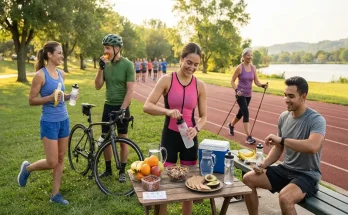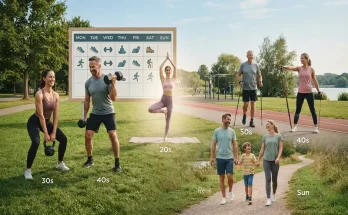

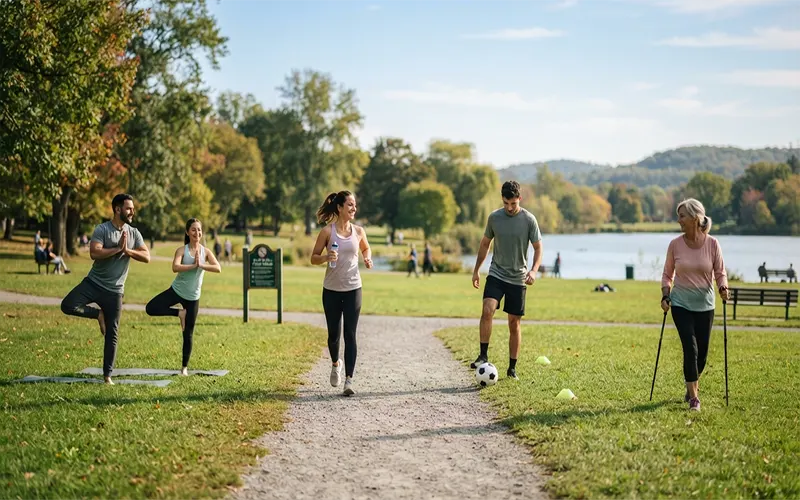
Taking that first step into the world of sports and physical activity can feel intimidating. If you have spent months—or even years—away from structured exercise, scrolling through social media feeds filled with extreme transformations and intense gym routines can make you feel like you are starting miles behind.
Let’s clear the slate. Entering fitness as a beginner is not about punishing your body into shape; it is about reclaiming vitality, improving your longevity, and finding movement that brings you genuine joy. The truth is simple: the best sport in the world is not the one burning the most calories on a chart—it is the one you actually enjoy and will stick with over the long term.
The Mindset Shift: Sustainability Over Intensity
One of the biggest hurdles beginners face is the “all-or-nothing” trap. Many well-intentioned people dive headfirst into a grueling seven-day-a-week workout regimen, only to experience severe muscle soreness, burnout, or injury within a fortnight.
Escaping the Intensity Trap
True health is built on consistency, not heroic bursts of effort. When starting out, prioritize sustainability over intensity. Apply the principle of gradual progression—such as increasing your activity duration or intensity by no more than ten percent each week. This gives your joints, tendons, and cardiovascular system the necessary time to adapt.
Defining Your Own Metrics
Leave comparison at the door. Your fitness journey is entirely personal. Whether your goal is to have more energy to play with your kids, lower your resting heart rate, or simply clear your head after a stressful workday, let your personal intentions—not digital aesthetics—drive your motivation.
Low-Barrier Sports for Absolute Beginners
You do not need an expensive gym membership or heavy equipment to build a healthy lifestyle. Starting with low-barrier, highly accessible sports ensures a smooth transition into active living.
1. Walking and Power Walking
Never underestimate the power of a brisk walk. As the most accessible foundation for cardiovascular health, walking requires zero specialized training. It strengthens your heart, improves metabolic function, and gets you outdoors without placing excessive stress on your knees and hips.
2. Swimming and Water Aerobics
If you experience joint discomfort or heavy muscle fatigue from land-based activities, the water is your sanctuary. Swimming provides full-body engagement while the water’s buoyancy supports up to ninety percent of your body weight. It is an extraordinary low-impact sport for building endurance, lung capacity, and lean muscle tone safely.
3. Yoga and Mat Pilates
Before diving into high-speed athletics, developing baseline body awareness, mobility, and core strength is vital. Yoga and Pilates act as a gentle gateway to physical conditioning. They focus on controlled breath-work, postural alignment, and stabilizing deep core muscles, protecting your body from injury as you take on more dynamic sports later.
4. Cycling
Cycling is a fantastic way to build lower-body strength and cardiovascular endurance without the jarring impact of running. Beginners can start simply by riding on flat, paved community trails or using a stationary bike at home or a local community center. It allows you to control your resistance and pace precisely.
5. Social and Recreational Sports (Pickleball and Bocce)
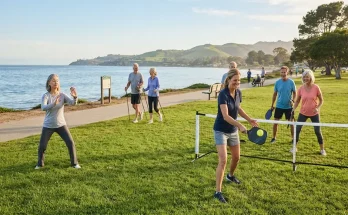
Sometimes, the best way to exercise is to trick your brain into forgetting you are working out. Social racket sports like pickleball or precision lawn games like bocce ball introduce a playful, community-driven element. They wrap physical movement inside a fun hobby, making it easy to stay engaged for an hour without watching the clock.
Practical Steps to Build Consistency
Starting a sport is a mental game just as much as a physical one. Establishing reliable habits is what separates temporary resolutions from a lifelong lifestyle change.
- Schedule Movement Like an Appointment: Treat your activity time with the same respect you give a work meeting or a doctor’s appointment. Put it in your calendar, set a reminder, and protect that time.
- Leverage Habit Stacking: Pair your new physical activity with an existing daily routine. For example, commit to a fifteen-minute walk immediately after finishing dinner, or do ten minutes of mobility stretches right after your morning coffee.
- Keep Equipment Minimal: Resist the urge to overbuy specialized gear on day one. Start with comfortable footwear, breathable clothing, and whatever basic equipment your chosen activity requires. Upgrade only as your commitment deepens.
Embarking on a journey toward an active lifestyle is one of the most empowering gifts you can give yourself. Remember that every seasoned athlete, runner, or cyclist started exactly where you are today. Keep your expectations grounded, celebrate small milestones, and always remember that consistency trumps intensity every single time. Lace up your shoes, pick an activity that makes you smile, and take that first step forward.